Supported Independent Living is the day-to-day help you receive to live in your own home. It covers assistance with personal care, meals, household tasks and the routines of everyday life, delivered by support workers in a shared home or, where your needs call for it, in a home of your own.
SIL funds the support, not the house. Rent, groceries and household bills remain yours, and purpose-built housing is funded separately through Specialist Disability Accommodation where a participant is eligible. We can talk you through how the parts of your plan fit together.
What’s included
How we help with Supported Independent Living
01
Everyday Support at Home
Respectful, practical help with the parts of daily life that are hardest to manage on your own:
Personal care
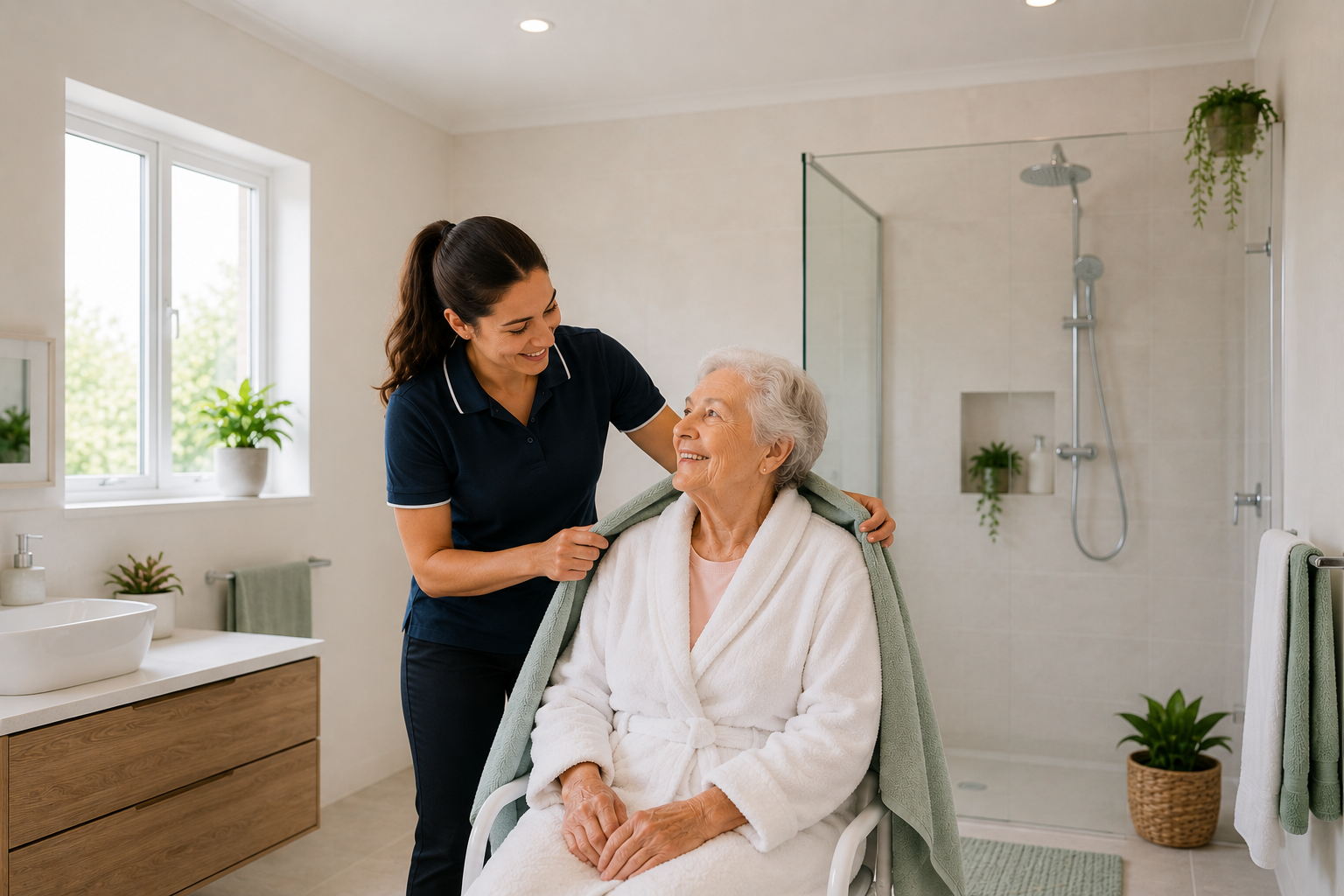
Support with showering, dressing, grooming and medication, at the times that suit your routine.
Meals and nutrition
Planning, shopping for and cooking meals you enjoy, with as much or as little help as you want.
Household tasks
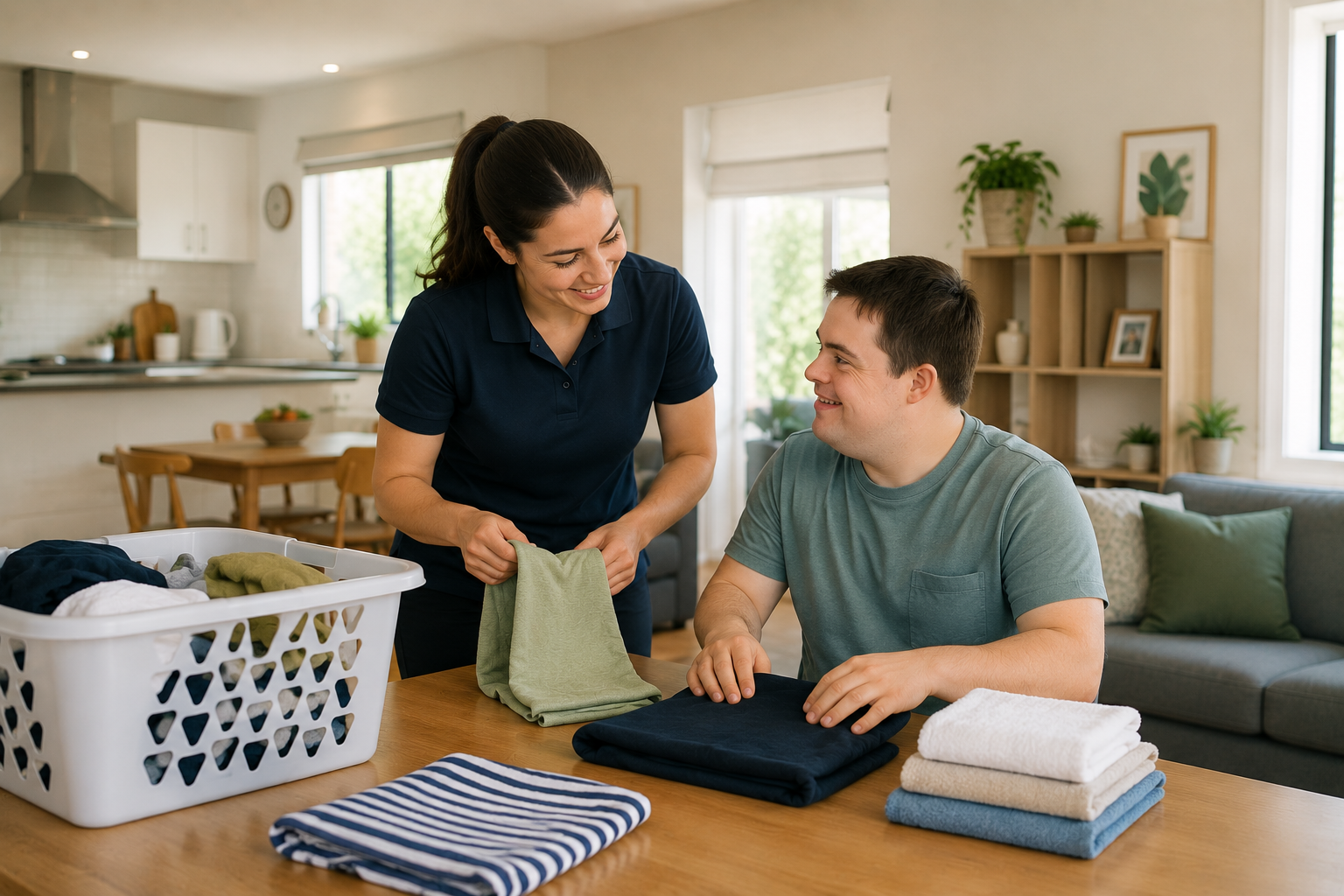
Cleaning, laundry and tidying, keeping your home running safely and comfortably.
02
Building Everyday Skills
Support that builds your confidence, so you can do more for yourself over time:
Daily routines
Setting up morning and evening routines, appointments and reminders that work for you.
Money and shopping
Budgeting, paying bills and doing the shopping, with support that steps back as you gain confidence.
Getting out and about
Using transport, attending appointments and staying connected with your community.
03
Safe & Well-Run Households
Reliable support around the clock, in a home where everyone gets along:
24/7 and overnight support
Active overnight or sleepover support where your plan includes it, so help is there when you need it.
Health and medication support
Working alongside your health professionals to support medication, appointments and health routines.
Living well with housemates
Shared rosters, house agreements and help working through the everyday parts of living together.
Who it’s for
Who is this support for?
Supported independent living accommodation
People taking the step into a place of their own, with the right support to make it work.
Daily support needs at home
Participants who need help most days, including overnight, to live safely and comfortably.
SIL funding in your plan
Participants whose NDIS plan includes SIL, or who are exploring whether it is right for them.
Families and support coordinators
Referring on behalf of a participant? We’re happy to talk it through.
How it works
Getting started with SIL support
1
Get in touch
Call, email or send an enquiry. Participants, families, carers and support coordinators are all welcome.
2
Talk about your needs
The support you need each day, your routines, and how you would like your home to run.
3
Match you with support
We match you with support workers who fit your needs, and a shared home if you are looking for one.
4
Settle in with support
We set up your roster, settle you in and keep reviewing how it is going as your needs change.
Supported Independent Living is NDIS funding for the help you need with everyday tasks in your home. It covers support with personal care, meals, cleaning and building daily living skills, most often in a shared home with one to three other people, though some participants receive SIL living on their own.
Does SIL funding pay for rent or the house itself?
+
No. SIL pays for the support workers who assist you, not for the home. Rent, board, groceries and everyday household bills stay your responsibility, and purpose-built housing is funded separately through Specialist Disability Accommodation where a participant is eligible.
How do I know if SIL is right for me?
+
SIL usually suits participants who need support most days, including overnight, to live safely at home. The NDIA looks at how much help you need with daily tasks and whether the support is reasonable and necessary. We are happy to talk it through and help you prepare for a planning meeting.
Do I have to live with other people?
+
Most SIL arrangements are in a shared home with one to three housemates, because the support is shared across the household. Some participants have SIL in a home of their own where their needs call for it. Either way, you should have a say in where you live and who you live with.
What is the difference between SIL and SDA?
+
SIL is the support: the people who help you with daily living. SDA is the housing: a purpose-designed, accessible home for participants with extreme functional impairment or very high support needs. Some participants receive both, and they are funded separately in an NDIS plan.
Get in touch
Connect with us
Let us know how we can help. We’ll call you back to talk through your support needs and next steps.