Community Participation
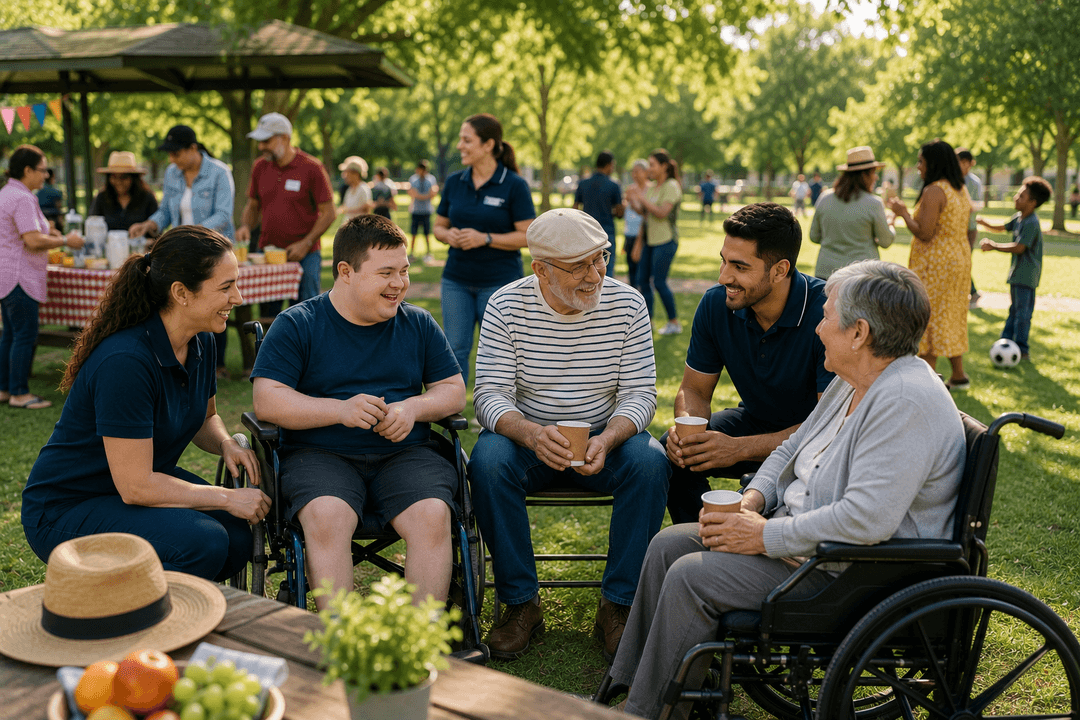
NDIS community participation support is about having help to take part in the activities and relationships that matter to you. That might mean attending a local group, meeting friends or becoming more comfortable in a new environment.
The most useful activity is one you want to do. A busy calendar is not the goal if the activities leave you exhausted, uninterested or unable to make your own choices.
What is the support for?
The NDIA may fund extra assistance needed to participate because of disability. Its social and recreation support guideline distinguishes this assistance from ordinary activity costs. A support worker’s help may be eligible, while you generally pay the usual entry, membership or participation costs yourself.
Check the proposed support against your plan before booking. An activity being enjoyable or advertised as “NDIS friendly” does not, by itself, mean the NDIS will pay for it.
Choose an activity around a real interest
Start with a simple question: “What would I like to do more often?” Then consider the setting and assistance that would make it comfortable. Possibilities to explore locally include:
- A library group for someone who enjoys stories or a quieter shared space.
- A community garden for someone interested in growing food and being outdoors.
- An art or craft session with a clear activity and opportunities to talk.
- A local sporting or recreation group that can explain its access arrangements.
- A regular visit with friends, with support to plan the journey and meeting point.
These are ideas to discuss, not a list of automatically funded programs. Ask the organiser about accessibility and ordinary fees as well as discussing support with your provider.
Plan the whole outing, including the return home
Before a first visit, agree on transport, timing, access to toilets, any personal support and a quiet place to take a break. Check whether the worker will stay beside you, assist at particular points or give you space to participate independently.
For someone trying a new art group, an initial plan might be to meet the organiser, stay for part of a session and review how it felt afterwards. A shorter first visit can help you make a decision without committing to a whole term.
Ask about group size and worker support
If you are considering a group, ask how many people attend, whether interests and access needs are compatible, and what support each person can expect. Find out what happens if one participant needs to leave early or needs additional assistance during the session.
For individual support, ask how activities are chosen and how changes are managed. You should know whether travel and support time are included in the quoted amount or charged separately.
Look for progress that matters to you
A meaningful outcome could be remembering the route, greeting someone by name, choosing the next activity or knowing how to request a break. Agree on a small goal and review it together. If an activity does not suit you, use that experience to adjust the plan.
Some people want ongoing support to enjoy an activity; others want help building confidence to attend more independently. Discuss which approach fits your needs. Our life skills development guide includes a way to break larger goals into manageable steps.
Common questions
Does NDIS funding cover tickets and membership fees?
Ordinary activity costs are generally your responsibility. Ask for an itemised quote that separates the support from entry fees, meals and other personal expenses.
Can I ask for support to attend a mainstream activity?
Yes, you can explore support for an ordinary community activity. Whether the assistance can be funded depends on your disability-related needs, your plan and current NDIS rules.
Explore community support with Harissons Disability Care
Read about community participation and innovative community participation at Harissons Disability Care. Contact the team with your interests, location and preferred activities to discuss suitable options and availability. If getting there is a barrier, read our NDIS transport guide.
Information checked 4 September 2026.